

Winter Training Hazards for Triathletes: What You Need to Know
Training in Ottawa during the winter months can present unique challenges for triathletes. With icy roads, frigid temperatures, and unpredictable weather, it’s crucial to adapt your training to ensure safety and effectiveness. Here are some of the dangers to watch out for and tips to navigate winter training like a pro.
Winter running outdoors can be treacherous. Ice patches, black ice, and snow-covered surfaces increase the risk of slipping and falling, leading to injuries like sprains, fractures, or bruises.
Tips to Stay Safe:
Wear Proper Footwear: Invest in trail running shoes with better grip or add traction devices like Yaktrax to your running shoes.
Choose Safe Routes: Stick to cleared sidewalks, plowed pathways, or designated running tracks.
Time Your Runs: Run during daylight hours when ice is more visible and temperatures are slightly warmer.
Shorten Your Stride: This reduces your risk of slipping by improving balance and stability.
Winter bricks can be tricky, especially when moving from the warm indoors to the freezing outdoors. The rapid temperature change can shock your body, affecting your muscles, breathing, and performance.
Tips to Transition Smoothly:
Layer Wisely: Dress in layers that are easy to adjust. Use moisture-wicking base layers to prevent sweat from freezing on your skin.
Warm Up Indoors: Perform dynamic stretches and mobility drills before heading outside to keep muscles limber.
Monitor Your Breathing: Cold air can irritate your lungs, so wear a buff or mask over your mouth to warm the air as you breathe.
Acclimatize Gradually: Start your run at a slower pace to help your body adjust to the cold.
Improper clothing can lead to discomfort, frostbite, or even hypothermia during outdoor runs. Knowing how to dress is key.
Dressing Tips:
Layer Up: Wear three layers: a moisture-wicking base layer, an insulating middle layer, and a windproof outer layer.
Protect Extremities: Use gloves, a thermal hat, and wool socks to keep fingers, toes, and ears warm.
Reflective Gear: Shorter days mean less daylight, so ensure your clothing has reflective elements to stay visible.
Hydration Packs: Keep water bottles insulated to prevent freezing.
Ottawa winters can be unpredictable. Snowstorms, extreme cold warnings, and icy conditions can derail outdoor training plans.
Weather Management Tips:
Have a Backup Plan: When conditions are too harsh, switch to a treadmill or indoor track for your runs.
Check the Weather: Use reliable apps to plan your runs during favorable weather windows.
Know When to Skip Outdoor Runs: If the temperature dips below -25°C (including wind chill), it’s safer to stay indoors.
While swimming indoors seems like the safest bet, winter-related issues like cold exposure post-swim can affect recovery and performance.
Swimming Tips:
Dry Off Thoroughly: Ensure you’re completely dry before stepping into the cold outdoors.
Pack Warm Gear: Bring a thermal jacket, hat, and gloves to wear after practice.
Hydrate: Cold weather can reduce your perception of thirst, so prioritize hydration.
Short days and cold weather can sap motivation, making it harder to stick to your training plan.
Boost Your Winter Training Mindset:
Set Small Goals: Break your training into manageable chunks to maintain focus.
Join a Group: Training with others provides accountability and camaraderie.
Celebrate Wins: Reward yourself for sticking to your plan despite winter obstacles.
Winter doesn’t have to derail your triathlon training—with the right preparation, you can train safely and effectively. Focus on proper clothing, smart route choices, and adjusting your workouts based on weather conditions. By staying mindful of potential hazards and adapting your approach, you’ll emerge from winter stronger and ready to tackle your next triathlon season.
Julia Aimers
CSEP Clinical Exercise Physiologist
CSEP High-Performance Specialist
Certified Triathlon, Cycling, Yoga and Swimming Coach
USA Cycling Level 2 Coach
Training Peaks Accredited Coach
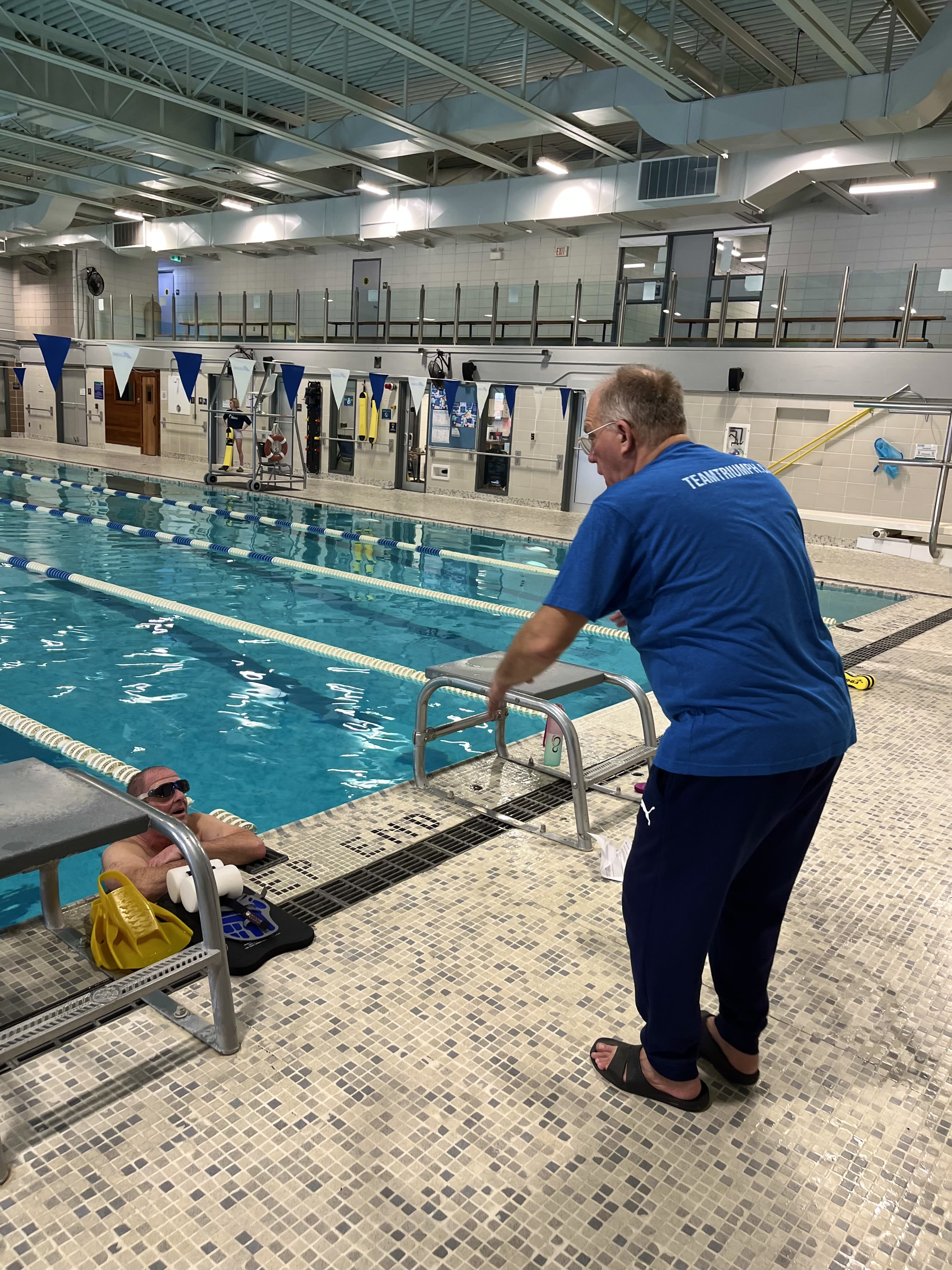
I would highly recommended Eric and Team Triumph!
Ian Ross
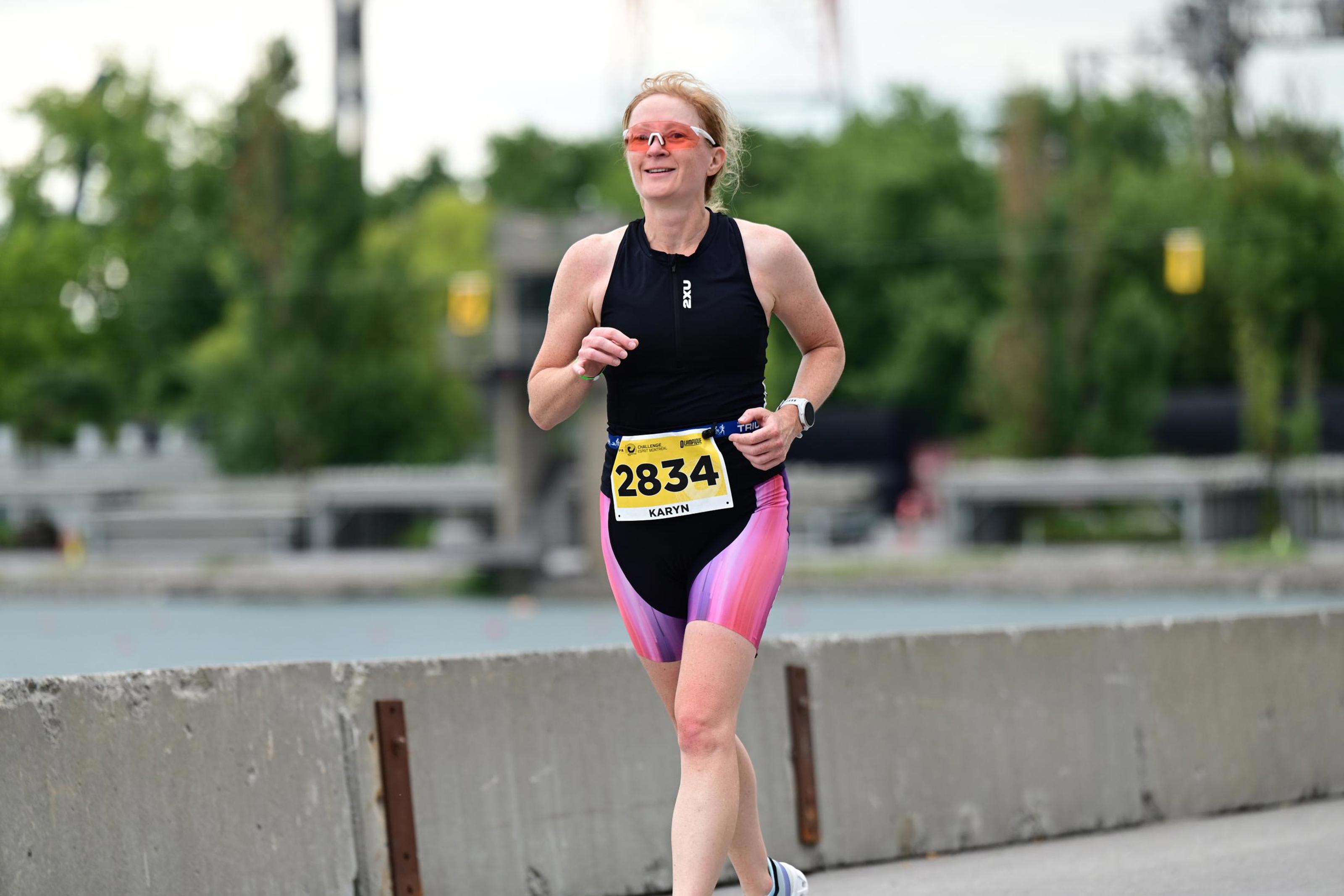
A year ago I could only tread water and had not run since childhood. With the amazing Virtual Olympic course, support, guidance, and tips from of all the folks at Team Triumph I've ended the season with my first Olympic distance triathlon under my belt and am hooked! Really looking forward to the 2025 season and even to the hard work over the winter to prepare. Karen Houle

I wanted to let you know that the Perth triathlon was a great experience, I somehow placed third in my age group! What a supportive group of participants (including Team Triumph athletes), cheering bystanders and volunteers.
Thanks to your swim lessons, I learned the technical basics and gained confidence to get back in the pool after decades. And it was really special doing this with Ann Laidlaw, my bestie for many years. We did a couple of additional swims with Kevin and Team Triumph people, also a great way to continue learning and practicing good technical form.
I will continue with lane swimming and who knows, maybe there's another triathlon in my future!